Daylight, Well Spent: The Case for Booking Your Prague Companion Before Sunset
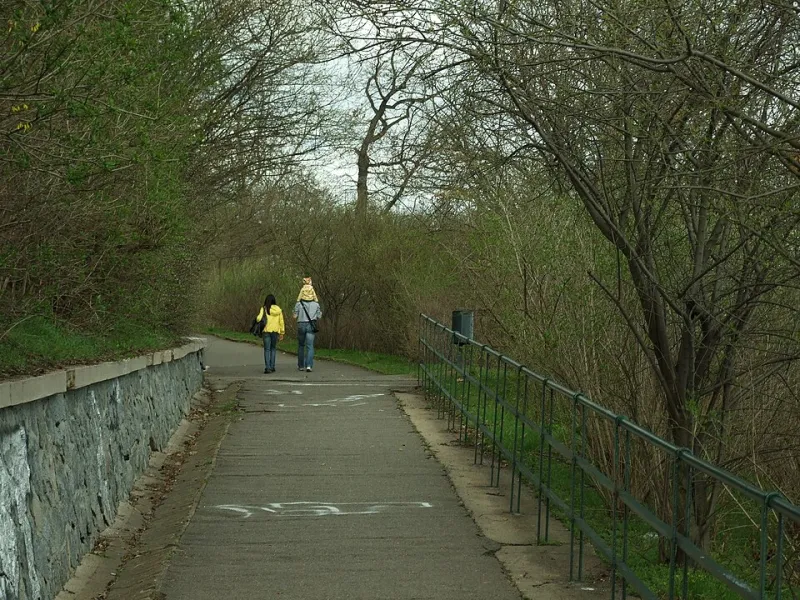
Photo: I would appreciate being notified if you use my work outside Wikimedia. More of my work can be found in my personal gallery., CC BY 3.0, via Wikimedia Commons
Ask most prospective clients to picture a companion booking and they will describe night: a restaurant, a bar, a car at midnight. That mental image is not wrong, but it is narrow, and it quietly costs people the best hours of the day.
Daytime companionship is the underdiscussed half of this market. It is also, in my view, the more interesting one — and for a great many clients, the one that delivers more of what they actually came for.
The Bias Toward Nightfall
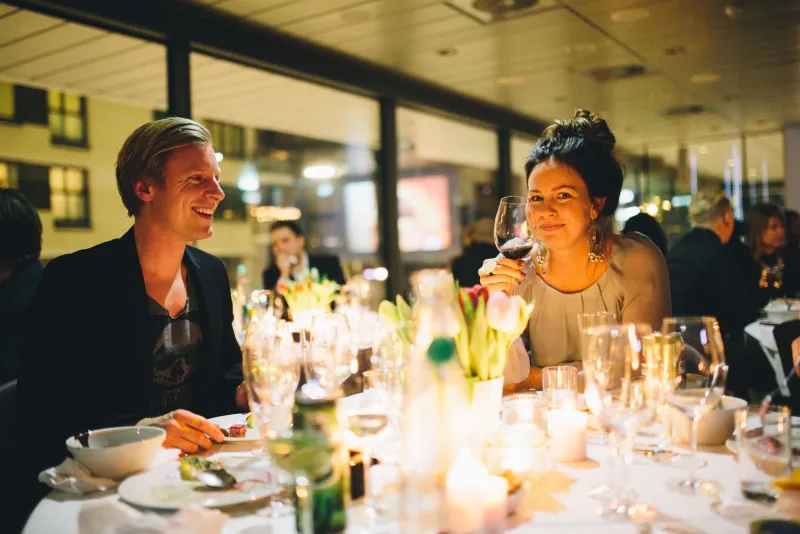
Night dominates for understandable reasons. Evening carries a certain cinematic weight; it feels like the mature choice, the one that signals a proper occasion. Booking calendars reflect this. Requests cluster between seven and ten, and Saturday evenings are treated as the only slot that matters.
But an evening appointment is constrained by the room it takes place in. Noise, lighting, other people's expectations, the pressure of a reservation window — all of it compresses conversation into short bursts. By the time the coffee arrives, the client has usually spent more energy managing the environment than enjoying the company.
What Daylight Actually Offers
Three things, none of which nightlife provides reliably.
Discretion. A man and a woman sharing a table at a crowded bar at eleven draws a certain amount of attention. The same two people walking through a gallery at ten in the morning draw none. Prague is a discreet city by temperament, but daylight is discreet by nature.
Conversation with a beginning, middle, and end. A three-hour afternoon allows a real arc. The first hour establishes rhythm, the second goes deeper, and the third arrives without the sense that something was cut short.
Absence of performance. Nobody is dressed for a photograph at 2 p.m. There is no velvet rope, no list, no obligation to be interesting on cue. The result, paradoxically, is that people are more interesting.
A Museum Morning
Begin at ten, when the galleries are quiet and the guards outnumber the visitors. Prague is unusually generous here: the Museum of Decorative Arts, the Kampa Museum, the trade-fair palaces of Holešovice, and the smaller collections scattered through the Old Town all reward unhurried attention.
The right companion does not lecture. They notice what holds your attention and follow it, offering context when it helps and stepping back when it does not. Two hours in a gallery with the correct company feels like thirty minutes; the same two hours with the wrong company feels like a term paper.
The Long Lunch
Europe maintains a habit that America has largely abandoned: lunch as an event rather than an interruption. Prague does this well, particularly outside the tourist core — a garden restaurant in Vinohrady, a converted courtyard in Karlín, a table that is not needed back at three.
This is the ideal format for clients who find dinner slightly overdetermined. Lunch has no implicit expectation attached to it. It ends when it ends. And a two-hour lunch in good company is, for many executives, the single most restful thing they will do in a month.
The Spa Afternoon
Prague's bathing culture is old and, for a visitor, surprisingly accessible. The city's historic spa and pool buildings offer an afternoon that is simultaneously private and neutral — a setting in which conversation drifts naturally and there is no need to sustain anything.
For the traveler arriving off a long-haul flight, an afternoon here does more for the body than a hotel gym and more for the mood than a nap. It also functions as a soft landing: a low-stakes way to spend time with a companion before committing to a longer evening later in the trip.
The Unhurried Walk
Not everything requires a venue. A ninety-minute walk through Letná, down through the castle steps, across to Malá Strana, is an appointment in itself. The city is compact and legible; the terrain creates natural rhythm — up, pause, down — and conversation finds its own cadence.
The one caveat is weather. Prague's afternoons are unreliable from November through March, and a well-planned day includes an indoor fallback that is not simply a café.
Designing a Day That Feels Like Nothing Was Scheduled
The paradox of a good daytime booking is that it requires careful planning to appear unplanned. A few principles:
- Two anchors, no more. One cultural stop and one meal. Everything else is drift.
- Book the lunch, not the gallery. Restaurants need reservations; museums rarely do.
- Leave a gap. Ninety minutes of unstructured time in the middle of the day is not inefficiency; it is the point.
- Set an end time that is soft. A companion should know when the appointment formally ends, but a client should feel no urgency about it.
- Say what you want to talk about. Most people have one subject they would like to discuss and never introduce. Mention it in advance and the companion will find the opening.
The Quieter Luxury
There is a reason the most experienced clients in this market often shift their bookings toward daylight after the first visit. Nightlife is easy to describe and easy to replicate in any city. A long, quiet afternoon with someone whose company you genuinely enjoy is harder to find and considerably harder to forget.
The evening will still be there. Book the morning first.